
Neuroplasticity: How to Train Your Brain
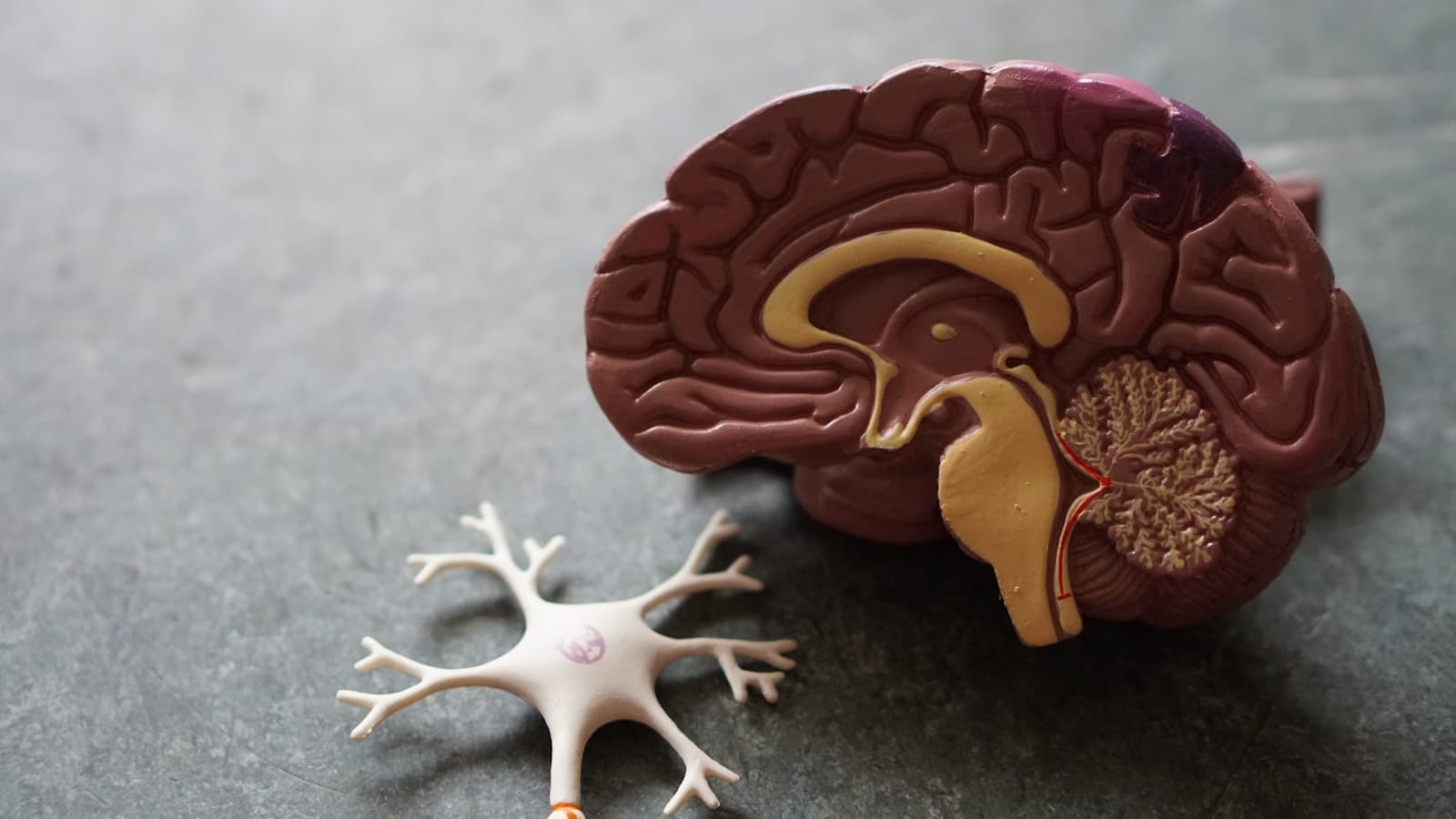
The adult brain weighs around 1300 grams. If you think it stops developing after that, you've probably never heard of the principle of neuroplasticity... if that's you, just keep reading to change that.
How Does Our Brain Work?
The brain consists of countless nerve cells, called neurons. Each neuron consists of a cell nucleus, an electrical conductor (the axon), and a synapse. The synapse is the interface of a neuron to a neighboring cell, through which communication and information transfer takes place.
You can think of it this way: Every thought, every action, and every feeling activates thousands of neurons that convert the information into an electrical impulse. This is conducted via the axon to the synapse, which transmits the information using chemical messengers (also called neurotransmitters) to neighboring neurons.
So with everything we do, think, and feel, huge neural networks are active.
The Brain Can Change
Which synapses form and which neurons "fire," meaning transmit their electrical impulses, is not static and fixed from birth. This is also influenced by the environment and our experiences.
The extreme case of Michelle Mack shows just how adaptable our neurons are. While still in the womb, she suffered a stroke, which is why she didn't develop a left hemisphere. However, this wasn't discovered until she was 27. Despite some limitations, the most important functions of the missing areas appeared to have been taken over by the right hemisphere!
The neurons adapted so she could lead a fairly independent life – with only one brain hemisphere.
"Neurons That Fire Together, Wire Together"
Neuroplasticity describes the brain's ability to adapt according to use. It works on the principle: "Neurons that fire together, wire together."
In other words, the more often we do, think, or feel certain things, the stronger the synaptic connections become. And the stronger the connection, the faster and more automatically we retrieve the corresponding actions, thoughts, and sensations.
The principle of neuroplasticity can be compared to physical fitness training. Imagine you want to build muscle. The more you train, the more they'll grow. Once your muscles have grown, it will become easier and easier to use them. But as soon as you stop training, muscle mass decreases again.
Similarly, your thoughts, feelings, and actions are reflected on a neural level. Every day, your experiences influence how neural networks develop and which connections are strengthened or weakened.
For example, if you're very anxious and don't dare to try something new, these neural connections are strengthened. This ensures that in a future new situation, you'll tend to feel fear again.
However, with targeted training, positive connections can be strengthened just as well, helping you gain more self-confidence, positivity, and calmness.
Can Personality Be Changed?
Could it be that fear is anchored in personality and cannot be changed? In psychology, opinions differ on whether personality can be changed or not.
Traditionally, it's assumed that personality is genetically determined and hardly changeable. Meanwhile, however, more and more scientists hold the opposite opinion.
Genes appear to be responsible for 40-60% of the variance between individuals for all personality traits. But that also means 40-60% is changeable!
For example, psychologist Carol S. Dweck developed the theory of fixed and growth mindsets, challenging the traditional approach. She believes that personality depends not only on genetic predisposition but also on the experiences and implicit belief systems we've internalized.
So if you want to influence your personality and, for example, reduce self-doubt and fears, it's best to start with belief systems and make use of the principle of neuroplasticity.
How You Can Use Neuroplasticity for Yourself
The brain is sustainably changeable – thanks to neuroplasticity. And you can benefit from exactly that!
Through intensive mental training, you can recognize implicit, negative habits and actively transform them into positive ones. What may initially feel like work will become effortless after some time because the neural connections are strengthened with each practice.
Likewise, you can strengthen flow-promoting abilities and mindsets to get into flow more often in everyday life. In your Flow Lab training program, positive neuroplasticity training is integrated. This solidifies positive thought and behavioral patterns, develops "flow skills," and strengthens the corresponding neural connections.
The desired state is precisely visualized and consciously perceived. How does it feel? Where in your body do you sense changes?
With intensive mental training, your neurological structure in the brain adapts over time, and it becomes easier and easier to draw on your flow skills.
However, this only works with regularity. Just as you need repeated training in sports to notice long-term effects, you also need to repeat certain mental exercises so your brain can neurally anchor new, desired habits.
Make use of neuroplasticity, stay patient, and start training your mental and emotional fitness now!