
Survey Shows: Lack of Self-Leadership Skills Leads to Unproductivity in Home Office
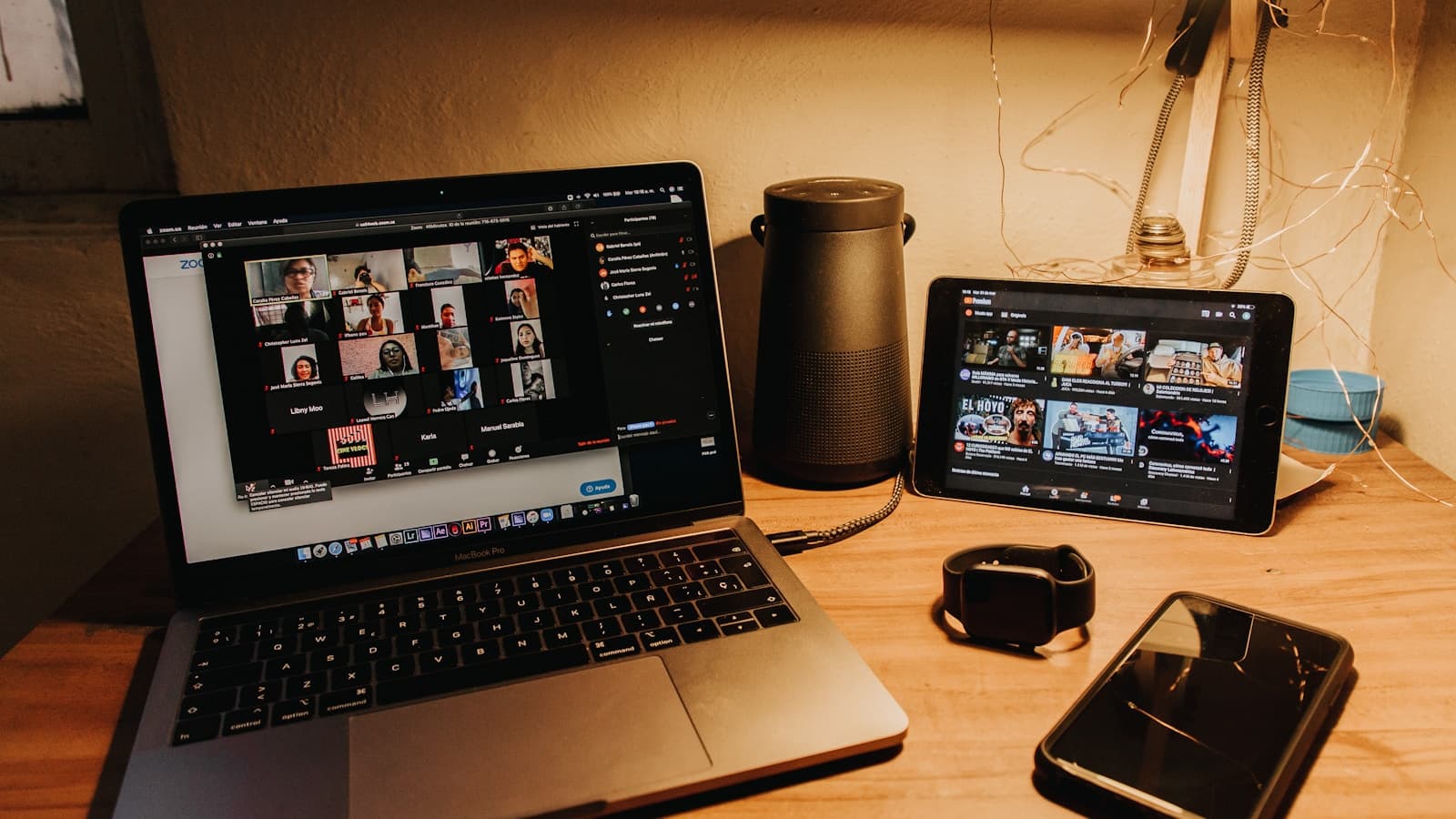
The pandemic has turned our private and professional lives upside down. Suddenly offices are closed and many people are working from home for the first time.
Together with On The Way To New Work, we conducted an online survey of 525 employees. The results clearly show that working from home presents new productivity challenges for many people.
Home Office Is New Territory
While only about 7% of respondents described themselves as unproductive in the office, nearly a quarter (23%) say the same about working from home.
The survey shows that most productivity killers at home are self-caused:
- 70% self-distraction through social media
- 43% private calls and messages
- 39% snack and smoke breaks
- 38% distracting thoughts and emotions
These results aren't very surprising when you consider that for most employees, working from home is still new territory. Nearly a quarter of respondents had never worked from home before. 53% had only occasionally worked from home.
Lack of Mental Fitness as the Primary Factor
Looking more closely at the biggest challenges when working from home, it quickly becomes clear that these are primarily mental and emotional in nature:
- 50% of respondents report procrastination
- 42% have problems with distractions
- 39% struggle with motivation issues
- 38% have problems establishing new routines
Organizational factors like team communication (31%) or technical setup (18%) come second.
To remain productive and mentally healthy in this new work environment, what's needed above all are self-leadership skills like self-organization, self-regulation, and self-motivation.
Mental Routines Are Hardly Widespread
Despite numerous studies that already demonstrate positive effects of meditation, breathing exercises, and visualizations on concentration, stress perception, and motivation, mental training is not part of everyday life for the vast majority of respondents.
67.5% of respondents start their day without a mental routine, only about 13.8% meditate.
Even during breaks or after work, respondents don't use mental routines (47% during breaks, 44% in the evening) to consciously end the workday, or instead actively distract themselves with Netflix, social media, or reading.
Productivity Through Mental Fitness
To tackle challenges like motivation difficulties, procrastination, or distracting thoughts at the root, an active engagement with yourself and strengthening self-awareness is necessary.
Mental routines like meditation, breathing exercises, or reflections can enormously increase productivity and motivation, especially when working from home.