
Our Breathing: The Underrated Reflex
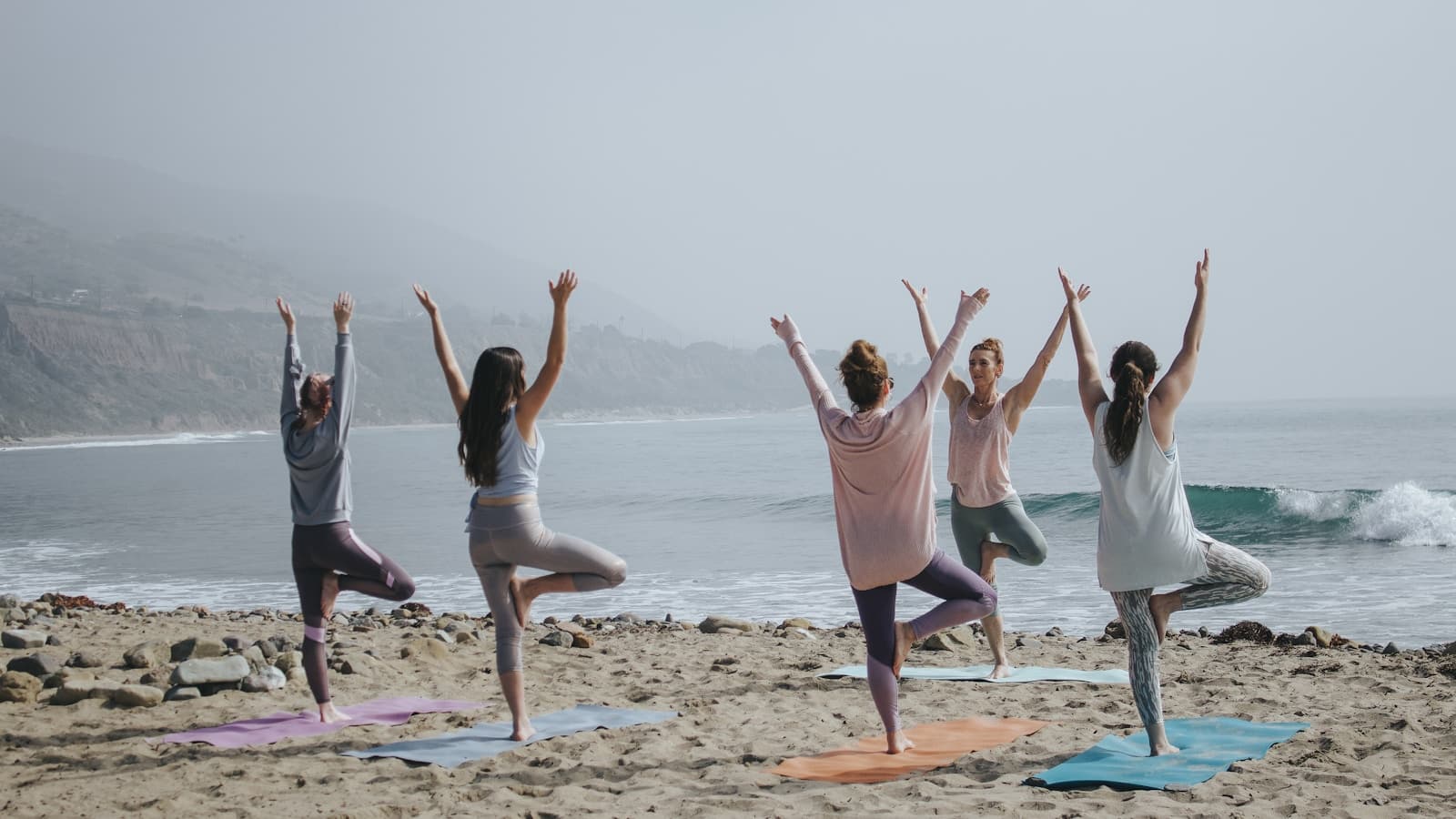
How long do you think the human body survives without food? About 10 days. How long can it manage without water? About 5 days. Okay, and how long does it last without oxygen? That's right, only a few minutes!
A Vital and Underrated Reflex
Rationally, we already know how important oxygen is for our lives. But breathing happens so automatically that we rarely pay attention to it. However, it's not only crucial for us being alive, but also how we live.
Why it's worth taking a closer look at your breathing habits and which breathing exercises help you master your daily challenges, you'll learn in our article series on breathing!
Breathing is an underrated process. As a vital reflex, it happens without you having to waste a single thought on it. But let's get straight to the facts.
Take-Home Message #1: Breathing is the only reflex you can consciously control.
Why this is important, let's take a closer look right away...
How We Unlearned How to Breathe
Normally, an adult breathes about 12-15 times per minute at rest and circulates about 2.5 liters of air through the body with each deep breath. The breathing rate is regulated by the respiratory center located in the brainstem.
One task of the respiratory center is to control the carbon dioxide (CO2) level in the blood. If it's too high, you automatically breathe faster to release excess CO2 into the environment. If it's too low, the opposite happens and you breathe slower. So the theory goes...
But for various reasons, we've learned to breathe shallower and more irregularly. This can be due to permanent everyday stress, an unintentional habit that has formed over time.
Instead of 2.5 liters per breath, on average only about 0.5 liters of air are inhaled. The consequence is that of our approximately 750 million alveoli, only about every twentieth is used, and thus much less oxygen gets into the blood!
The internal organs and brain are undersupplied and can no longer deliver their optimal performance. No wonder productive peak performance isn't possible without enough oxygen and we miss a chance for flow...
How Breathing Affects Your Nervous System
But fortunately, new habits can be formed! By using certain breathing techniques, you can ensure enough oxygen and adjust your energy level to your current challenge: for an energy boost in the afternoon or for more calmness and relaxation in the midst of everyday hectic.
Through breathing techniques, you regulate your autonomic nervous system, which consists of two opponents: The sympathetic and parasympathetic systems. The two have their activity well coordinated and control the function of various organs, such as heart rate, digestion, sweat production, and... breathing!
Take-Home Message #2: Through breathing, you can regulate the autonomic nervous system to influence your energy level and oxygen content in the body and make flow more likely.
The Action Mode
For all the curious ones who want to know exactly: The sympathetic system is the activation system in your body. Its so-called ganglia, clusters of nerve cells, are located directly on the spinal cord. These ganglia in turn have their fibers connected to muscles, the heart, and for example the sweat or salivary glands.
Under activation or stress, the sympathetic system is activated and can thus ensure muscle tension, sweat production, and an accelerated heartbeat in no time – it causes the well-known "fight-flight-or-freeze" effect.
So if you've ever wondered who's responsible for your sweaty, trembling hands during an important presentation – here's the culprit.
In the past, this lightning-fast reaction was vital for survival, for example to flee from predators or to muster the energy for a fight against attackers.
Through a long inhalation or, for example, controlled hyperventilation, you activate the sympathetic system. A yawn – a long inhalation and short exhalation – can therefore be a well-intentioned nudge from your body to push you on the days when you can hardly get your butt off the couch.
The Relaxation Mode
The parasympathetic system, on the other hand, works entirely in the name of relaxation and provides the "rest-and-digest" effect. Its tasks include slowing down the pulse again, lowering blood pressure, stimulating digestion, and slowing the breathing rate.
On all the days when you're just drowning in stress – the email inbox is overflowing, unfinished tasks are piling up on your desk, the calendar is packed with appointments, and the late bus gives you the final blow – you can use your breathing to stimulate the parasympathetic system and thus wind down body and mind!
"Take a deep breath" – the first step is already done.
Breathing Training for Sustainable Performance and Flow
That this time for a few conscious breaths is well invested is already proven by numerous studies. Breathing exercises reduce your cortisol level and thus also your stress. They also reduce depression and turn down the activity of the amygdala, so anxiety decreases.
Furthermore, deep breaths can promote positive emotions and also lower your blood pressure. Even the risk of burnout is reduced by slow, deep breathing.
Take-Home Message #3: Research shows the numerous benefits of breathing exercises, in short: less stress, more well-being!
You'll notice how an awareness of your breathing also increases your productivity. As you may already know, for flow you need the golden mean of activation and relaxation – so both sympathetic and parasympathetic interaction.
Depending on how high your energy level already is from your current challenge, you can help a bit with breathing to find your perfect balance of relaxation and productivity.
In the other parts of this series, you'll learn the most proven breathing techniques to help you find this balance and thus also your flow.